
Eastern Conference
Atlantic Division
 Boston Celtics
 Brooklyn Nets
 New York Knicks
 Philadelphia 76ers
 Toronto Raptors
Central Division
 Chicago Bulls
 Cleveland Cavaliers
 Detroit Pistons
 Indiana Pacers
 Milwaukee Bucks
Southeast Division
 Atlanta Hawks
 Charlotte Hornets
 Miami Heat
 Orlando Magic
 Washington Wizards
Western Conference
Northwest Division
 Denver Nuggets
 Minnesota Timberwolves
 Oklahoma City Thunder
 Portland Trail Blazers
 Utah Jazz
 Golden State Warriors
 Los Angeles Clippers
 Los Angeles Lakers
 Phoenix Suns
 Sacramento Kings
Southwest Division
 Dallas Mavericks
 Houston Rockets
 Memphis Grizzlies
 New Orleans Pelicans
 San Antonio Spurs


AFC
 Buffalo Bills
 Miami Dolphins
 New England Patriots
 New York Jets
 Baltimore Ravens
 Cincinnati Bengals
 Cleveland Browns
 Pittsburgh Steelers
 Houston Texans
 Indianapolis Colts
 Jacksonville Jaguars
 Tennessee Titans
 Denver Broncos
 Kansas City Chiefs
 Las Vegas Raiders
 Los Angeles Chargers
NFC
 Dallas Cowboys
 New York Giants
 Philadelphia Eagles
 Washington Commanders
 Chicago Bears
 Detroit Lions
 Green Bay Packers
 Minnesota Vikings
 Atlanta Falcons
 Carolina Panthers
 New Orleans Saints
 Tampa Bay Buccaneers
 Arizona Cardinals
 Los Angeles Rams
 San Francisco 49ers
 Seattle Seahawks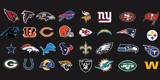



American League
 Baltimore Orioles
 Boston Red Sox
 New York Yankees
 Tampa Bay Rays
 Toronto Blue Jays
 Chicago White Sox
 Cleveland Guardians
 Detroit Tigers
 Kansas City Royals
 Minnesota Twins
 Oakland Athletics
 Houston Astros
 Los Angeles Angels
 Seattle Mariners
 Texas Rangers
National League
 Atlanta Braves
 Miami Marlins
 New York Mets
 Philadelphia Phillies
 Washington Nationals
 Chicago Cubs
 Cincinnati Reds
 Milwaukee Brewers
 Pittsburgh Pirates
 St. Louis Cardinals
 Arizona Diamondbacks
 Colorado Rockies
 Los Angeles Dodgers
 San Diego Padres
 San Francisco Giants


Social Media Did Not Kill Sports Debate, It Made Everyone a Scout

Before social media rose to prominence, anyone with an opinion on sport could only share it with their immediate circle of fellow supporters or by writing a letter to their newspaper of choice. Now, there’s a cacophony of coverage from all corners, and lots of people feel that social media has killed sports debate by destroying nuance and making discussions much more binary.
On the surface, this seems like an accurate assessment, but the opposite is arguably true. Rather than simplifying the debate, it’s now more complex and driven by data than ever before. Hold tight as we explain why conversations around sports held by amateurs involve more expertise than at any point in history.
The Democratization of Analytics
Social media means every fan has the same access to match coverage and player performance statistics as the top pundits and managers in the business. If you want to argue the toss over whether a particular team has the edge or a particular sportsperson is the GOAT, you can quickly gather the evidence needed to support your argument or disprove someone else’s claims.
Moreover, the emergence of online sports betting means there’s even more analysis and data at the fingertips of the average person. For instance, you can check out PowerPlay’s sports bets for odds on upcoming matches across a range of games and leagues, and even if you don’t end up making a wager, the odds offered by sites like this can help support or disprove an opinion shared on social media.
The Ubiquity of Coverage
Another unique aspect of how social media has shaped the sports debate is that it has made it possible for people to take on the role of a scout in the literal sense. Sharing footage of a promising young player plucked from a local game has the potential to go viral, or at least catch the eye of people in a position to make a difference to that player’s future career.
And once the public has caught a whiff of the next big thing, they go all-in. Fans are tracking 14-year-old high school prodigies or academy players in Europe years before they turn pro, so by the time a player is drafted or transferred, everyone already has a collective scouting report on them, which in turn makes fans feel invested in player development from day one.
The Peaks and Troughs
While social media has made sports conversation incredibly sophisticated, it does have a dark side. For example, having access to scouting tools doesn't make everyone a good scout. It has led to a culture where fans weaponize isolated 10-second clips to prove a narrative, completely ignoring the broader context of a game or a player's actual role.
But for every potential drawback, there’s a handful of positives. And social media’s impact on the sports debate is mainly that it helps to keep sports in the public consciousness. In order to inspire the next generation of fans and keep the games we love alive, that’s an important upside.
