
Eastern Conference
Atlantic Division
 Boston Celtics
 Brooklyn Nets
 New York Knicks
 Philadelphia 76ers
 Toronto Raptors
Central Division
 Chicago Bulls
 Cleveland Cavaliers
 Detroit Pistons
 Indiana Pacers
 Milwaukee Bucks
Southeast Division
 Atlanta Hawks
 Charlotte Hornets
 Miami Heat
 Orlando Magic
 Washington Wizards
Western Conference
Northwest Division
 Denver Nuggets
 Minnesota Timberwolves
 Oklahoma City Thunder
 Portland Trail Blazers
 Utah Jazz
 Golden State Warriors
 Los Angeles Clippers
 Los Angeles Lakers
 Phoenix Suns
 Sacramento Kings
Southwest Division
 Dallas Mavericks
 Houston Rockets
 Memphis Grizzlies
 New Orleans Pelicans
 San Antonio Spurs


AFC
 Buffalo Bills
 Miami Dolphins
 New England Patriots
 New York Jets
 Baltimore Ravens
 Cincinnati Bengals
 Cleveland Browns
 Pittsburgh Steelers
 Houston Texans
 Indianapolis Colts
 Jacksonville Jaguars
 Tennessee Titans
 Denver Broncos
 Kansas City Chiefs
 Las Vegas Raiders
 Los Angeles Chargers
NFC
 Dallas Cowboys
 New York Giants
 Philadelphia Eagles
 Washington Commanders
 Chicago Bears
 Detroit Lions
 Green Bay Packers
 Minnesota Vikings
 Atlanta Falcons
 Carolina Panthers
 New Orleans Saints
 Tampa Bay Buccaneers
 Arizona Cardinals
 Los Angeles Rams
 San Francisco 49ers
 Seattle Seahawks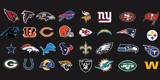



American League
 Baltimore Orioles
 Boston Red Sox
 New York Yankees
 Tampa Bay Rays
 Toronto Blue Jays
 Chicago White Sox
 Cleveland Guardians
 Detroit Tigers
 Kansas City Royals
 Minnesota Twins
 Oakland Athletics
 Houston Astros
 Los Angeles Angels
 Seattle Mariners
 Texas Rangers
National League
 Atlanta Braves
 Miami Marlins
 New York Mets
 Philadelphia Phillies
 Washington Nationals
 Chicago Cubs
 Cincinnati Reds
 Milwaukee Brewers
 Pittsburgh Pirates
 St. Louis Cardinals
 Arizona Diamondbacks
 Colorado Rockies
 Los Angeles Dodgers
 San Diego Padres
 San Francisco Giants


Exploring the Impact of Gaming Culture on Sports Enthusiasm

The rise of gaming culture has significantly influenced how people perceive and engage with sports. What was once a clear distinction between traditional athletic competition and digital entertainment has evolved into a shared ecosystem. Today, esports and classic sports coexist, often attracting overlapping audiences and fostering similar emotional connections.
Gaming is no longer just a pastime—it has become a cultural force that shapes trends, communities, and even the way fans experience competition. This shift is especially visible among younger audiences, who seamlessly transition between watching football matches and esports tournaments.
How Gaming Culture Enhances Sports Engagement
1. Accessibility and Global Reach
One of the most impactful aspects of gaming culture is its accessibility. Unlike traditional sports, which may require physical presence or expensive tickets, gaming allows users to participate from anywhere.
- Global tournaments are streamed online for free or at low cost
- Players from different countries compete without travel barriers
- Fans can instantly connect with communities worldwide
This accessibility expands the audience and introduces sports-like enthusiasm to people who may not have engaged with traditional sports before.
2. Interactive Fan Experience
Gaming creates a level of interactivity that traditional sports are only beginning to adopt.
- Fans can actively participate in the game, not just watch
- Players can analyze strategies by playing themselves
- Digital ecosystems allow deeper immersion through customization
Platforms like CS2 Skins Case Opening add another dimension to this experience, offering users a way to engage with in-game content and personalize their interaction with competitive titles such as CS2.
The Role of Community and Social Interaction
1. Real-Time Communication
Gaming communities thrive on instant interaction. Unlike traditional sports, where engagement may be limited to live events or post-match discussions, gaming offers continuous communication.
- Live chats during streams
- Community discussions on forums and Discord
- Instant sharing of highlights and reactions
This creates a more dynamic and participatory environment for fans.
2. Content Creation and Influence
Gaming culture has also given rise to a new generation of content creators who influence fan behavior.
- Streamers and YouTubers act as opinion leaders
- Tutorials and guides deepen understanding of gameplay
- Entertainment content builds stronger emotional connections
This mirrors sports commentary but often feels more personal and relatable.
Traditional Sports Adapting to Gaming Trends
1. Integration of Esports Divisions
Many professional sports organizations are embracing gaming culture.
- Football clubs launching esports teams
- Partnerships between gaming platforms and sports leagues
- Cross-promotional events attracting mixed audiences
These efforts help bridge the gap between the two worlds and keep traditional sports relevant to younger generations.
2. Gamification of Sports Viewing
Sports organizations are increasingly adopting elements from gaming:
- Fantasy leagues and prediction games
- Interactive apps with live stats and rewards
- Virtual experiences and simulations
These innovations enhance fan engagement and replicate the interactivity found in gaming.
The Future of a Unified Fan Experience
The convergence of gaming and sports is not a temporary trend—it represents a long-term evolution in entertainment. As technology advances, the integration between these worlds will deepen.
Key Trends to Watch:
- Increased use of virtual and augmented reality
- More crossover events between esports and traditional sports
- Expansion of digital economies within gaming ecosystems
